
Finding standing water in your home is a moment of pure, heart-sinking panic. Whether it’s a burst pipe in the middle of the night, a leaking water heater, or the aftermath of a heavy Alabama thunderstorm, the sight of your floors submerged and your belongings soaked is overwhelming. We understand the stress you’re feeling right now. Your home is your sanctuary, and seeing it compromised is deeply personal.
In the industry, we often talk about the "Golden Hour." Just like in medicine, the first 60 minutes after discovering water damage are the most critical. What you do, and what you don't do, during this first hour can be the difference between a simple drying process and a massive, weeks-long restoration project involving structural repairs and mold remediation.
At Restoration 1 of Tuscaloosa, we want to help you navigate these high-stress moments with a clear head. Let’s walk through exactly how to handle the next hour to protect your property and your family.
The very first few minutes are about one thing: stabilization. Before you worry about the carpet or the furniture, you must ensure the environment is safe for you to stand in.
Water and electricity are a deadly combination. If the water has reached wall outlets, baseboard heaters, or your electrical panel, do not step into the water. If you can safely reach your circuit breaker without walking through wet areas, turn off the power to the affected rooms immediately. If you are unsure or the water is deep, stay out and wait for a professional. Your safety is more important than any piece of property.
If the water is coming from an internal source, like a plumbing failure, you need to "kill the flow."
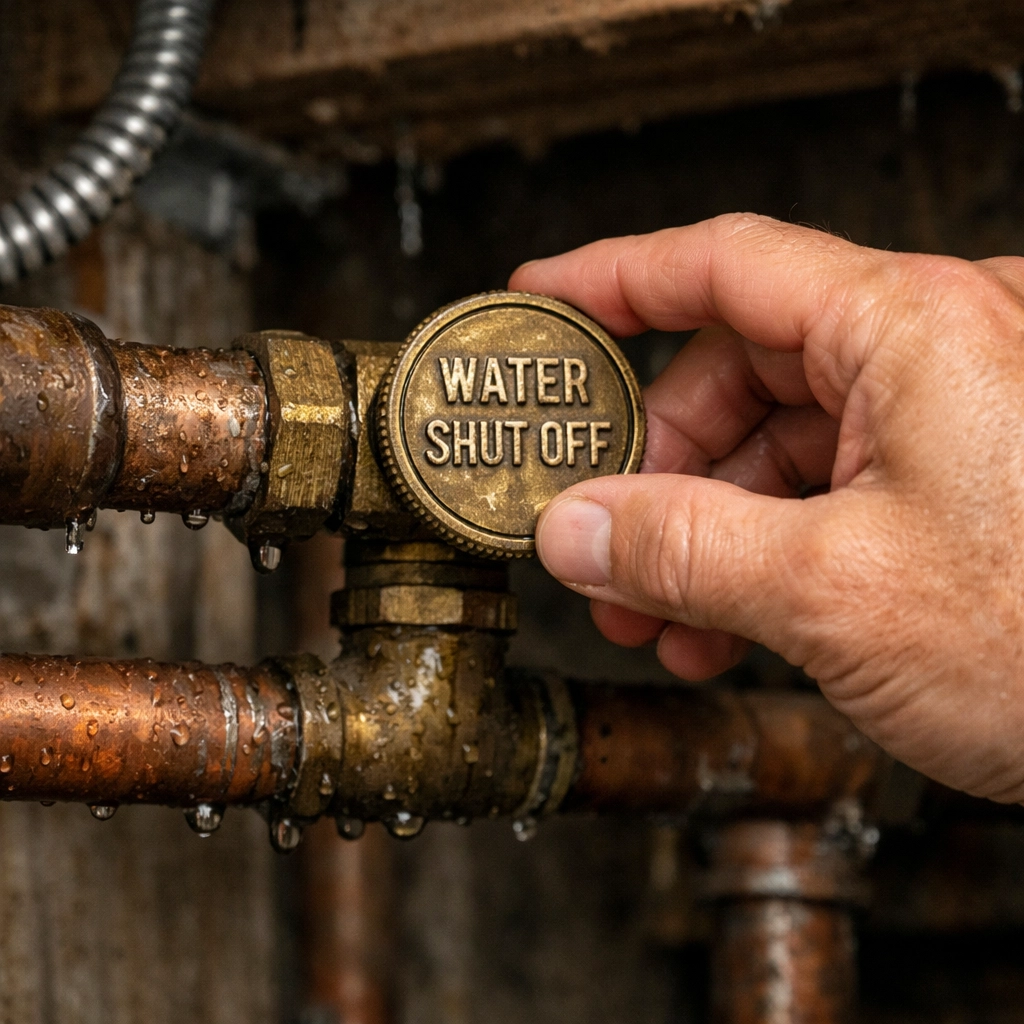
Once the water has stopped flowing and you’ve confirmed the area is safe to enter, it’s time to put on your "investigator" hat. Documentation is the foundation of a successful insurance claim.
Insurance adjusters need proof of the "Initial State." Before you start mopping or moving things, you need a visual record of the damage exactly as it happened. This prevents disputes later about the extent of the loss.
If you are dealing with a significant loss, this is the time to search for water damage repair near me. Having a professional on the phone early allows them to dispatch a team while you move to the next steps.
Now that the source is off and the evidence is recorded, you can begin mitigation. Mitigation is the process of preventing "secondary damage." This includes things like mold growth, wood warping, and permanent staining.
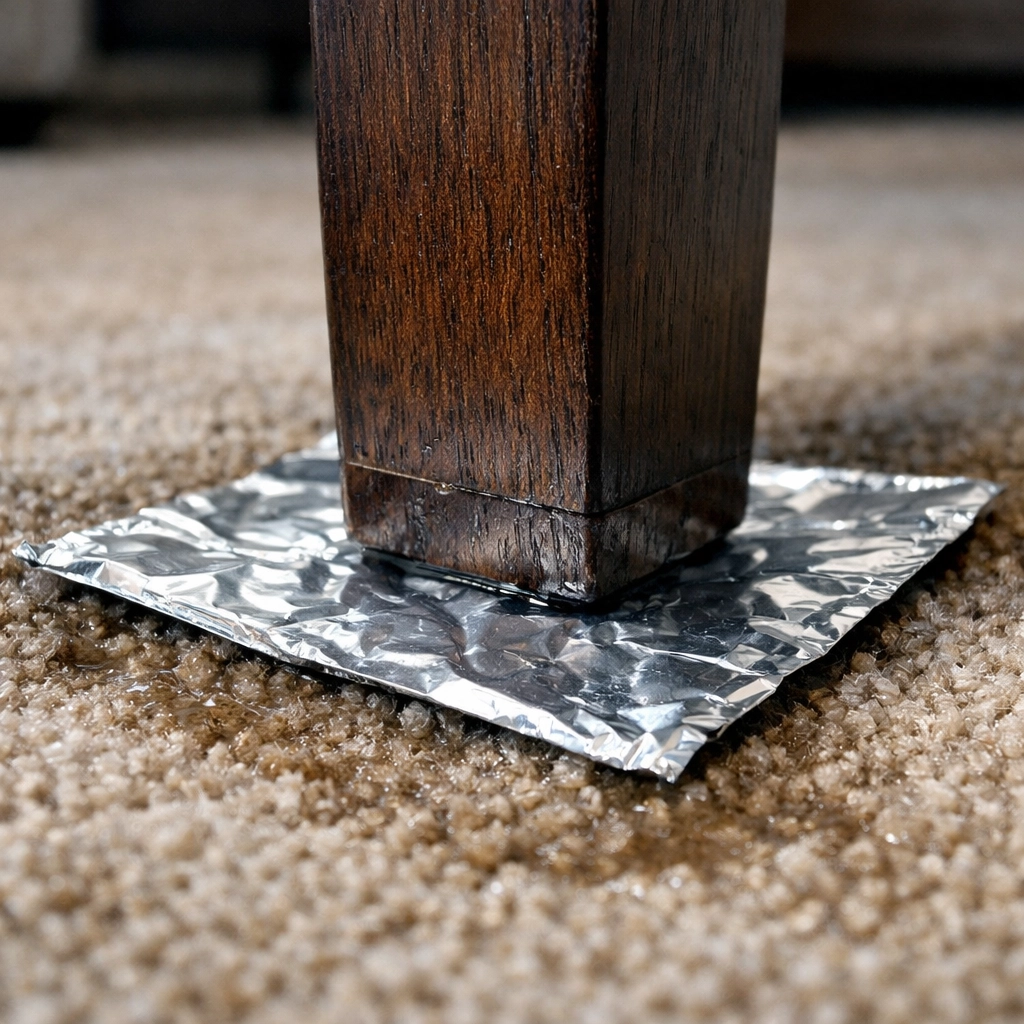
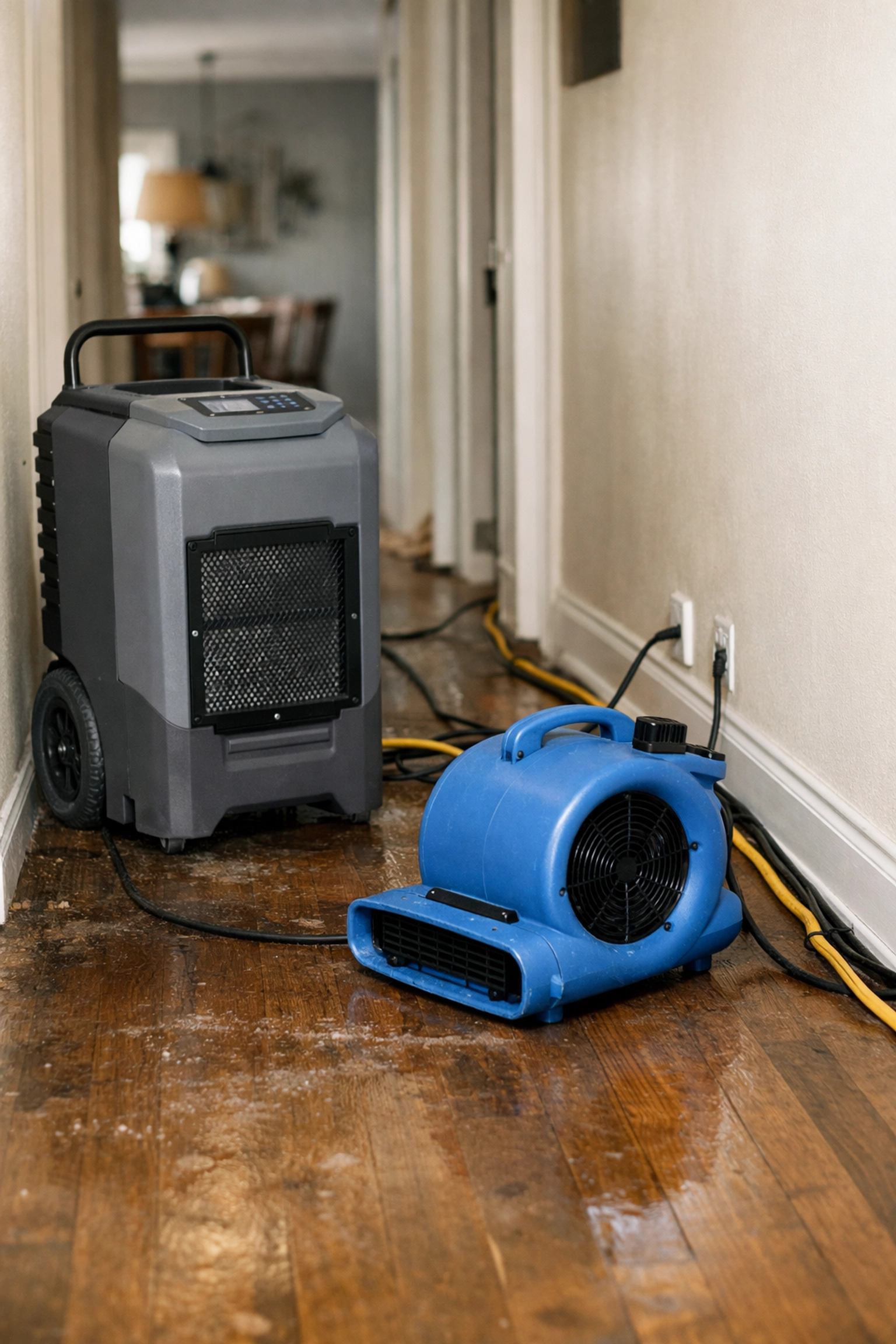
Alabama’s humidity is a major factor in how quickly water damage escalates. If the weather is dry and the outdoor humidity is lower than indoors, open the windows. However, in our humid Tuscaloosa summers, it’s often better to keep windows closed and let a professional bring in industrial-grade dehumidifiers.
By the time you hit the one-hour mark, the "DIY" portion of the emergency should be winding down. While it’s tempting to try to dry everything with a shop-vac and a few box fans, residential equipment simply isn't powerful enough to pull moisture out of structural materials.
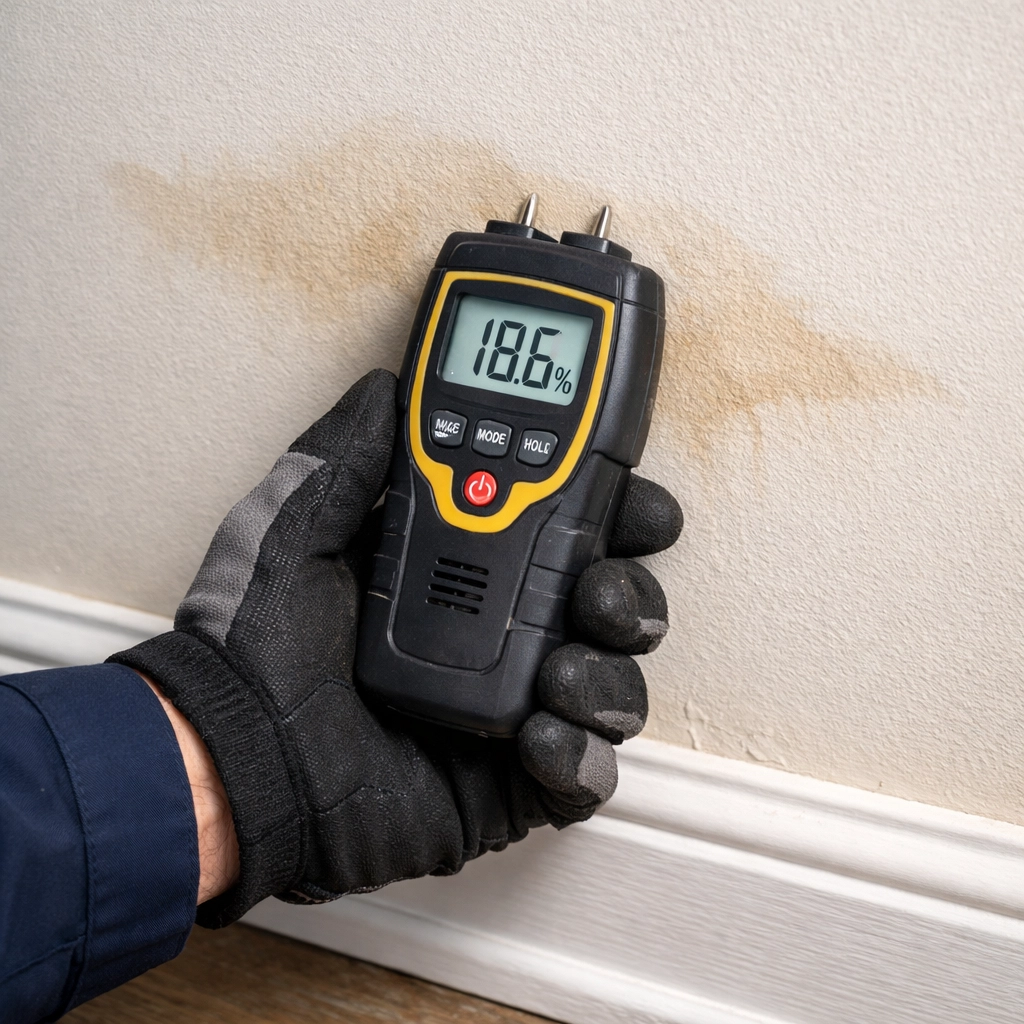
Water is opportunistic. It hides behind baseboards, travels up the "wicking" line of drywall, and settles into the insulation. If you only dry the surface, you leave the perfect environment for mold to colonize, which can begin in as little as 24 to 48 hours. You can read more about the health risks associated with unaddressed water damage to understand why total extraction is so vital.
When a team from Restoration 1 of Tuscaloosa arrives, we follow a strict protocol certified by the IICRC (Institute of Inspection Cleaning and Restoration Certification).
Every region has its quirks. In Tuscaloosa and Northport, our homes face specific challenges. From the red clay that can complicate external flooding to the intense Southern humidity that fuels rapid mold growth, local knowledge is essential.
We know the local building codes, we understand the local climate, and most importantly, we know our neighbors. When you call for water damage restoration Tuscaloosa, you aren't just getting a technician; you're getting a team that cares about the community. Whether you are dealing with a residential emergency or need help navigating water damage restoration for commercial properties, the goal remains the same: getting your life back to normal.
To wrap up this emergency guide, here are a few things you should avoid during these first 60 minutes:
The first hour after a disaster is a whirlwind of emotions and hard decisions. Please know that you don't have to carry this burden alone. At Restoration 1 of Tuscaloosa, we pride ourselves on being the calm after the storm. We are committed to showing up with empathy, respect, and the technical expertise required to save your home.
If you’ve discovered water damage in your home, don't wait for the damage to spread. Take these immediate steps to protect your property, and then give us a call. We serve the entire Tuscaloosa area, and our experts are ready to walk you through the restoration process from start to finish.
Need help right now? Contact Restoration 1 of Tuscaloosa today. We’ll handle the mess so you can focus on your family.