
Finding raw sewage backing up into your Tuscaloosa home is, quite frankly, a nightmare scenario. Whether it’s bubbling up through the basement floor drain or overflowing from a downstairs toilet, the immediate reaction is usually a mix of panic and disgust. At Restoration 1 of Tuscaloosa, we understand that this is more than just a plumbing failure; it is a significant health hazard and a threat to your property’s integrity.
When you are standing in the middle of a drainage disaster, your first instinct might be to grab a mop and start cleaning. However, sewage: referred to in the restoration industry as "Category 3" or "Black Water": requires a very specific set of protocols to ensure your home remains safe for your family. This guide is designed to help you navigate those first critical hours, providing you with the necessary steps to protect your health and your home while waiting for professional sewage cleanup in Tuscaloosa, AL.
Before we dive into the steps, it is important to understand what you are dealing with. In the restoration world, we follow standards set by the IICRC (Institute of Inspection Cleaning and Restoration Certification). They classify water into three categories based on the level of contamination.
Sewage is Category 3 water. This means it is grossly contaminated and can contain pathogenic, toxigenic, or other harmful agents. We are talking about bacteria like E. coli and Salmonella, viruses like Hepatitis A, and various parasites. Unlike a standard "clean water" leak from a broken supply line, a sewer backup introduces biohazards into your living space that can cause serious illness through skin contact, ingestion, or even inhalation of aerosolized particles.
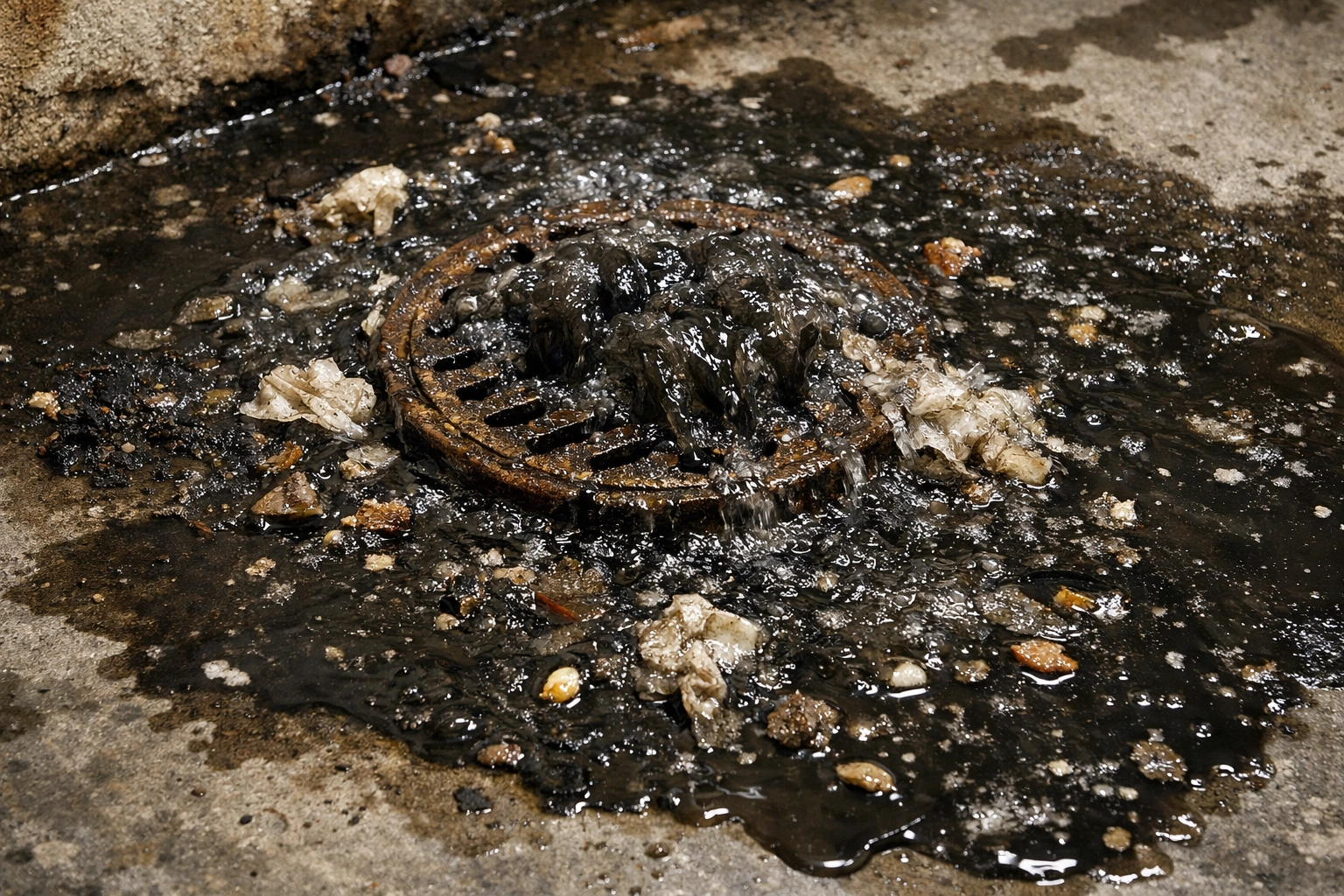
The moments immediately following a backup are the most important for damage mitigation. If you find yourself facing a overflow, follow these steps to keep the situation from spiraling out of control:
If the backup is caused by a blockage in your home’s internal plumbing or a city sewer main, adding more water to the system will only make it worse.
Keep children, pets, and seniors completely away from the affected area. Their immune systems are often more susceptible to the pathogens found in raw sewage. If the backup is extensive: affecting multiple rooms or the HVAC system: it may be safer to evacuate the property entirely until a professional assessment is made.
Water and electricity are a deadly combination. If the sewage has reached electrical outlets, baseboard heaters, or your HVAC unit, do not enter the standing water. If it is safe to access your circuit breaker without stepping into the water, turn off the power to the affected zones. If you smell gas or suspect your water heater has been impacted, contact your local utility provider immediately.
If you must enter the area to retrieve a high-value item, you need a barrier between yourself and the contaminants. At a minimum, wear:
Tuscaloosa's humidity can be brutal, but if the outdoor air is relatively dry, open the windows. This helps clear out the pungent odors and reduces the buildup of harmful sewer gases. However, do not turn on your central AC if the vents are on the floor and may have been contaminated.
In a crisis, many homeowners unknowingly make decisions that increase the cost of repairs or endanger their health. Here is what you should absolutely avoid:
This is perhaps the most common mistake. While it seems logical to start drying things out, using standard house fans can be dangerous. Fans will aerosolize the bacteria and pathogens living in the sewage, blowing them into the air where you can breathe them in or where they can settle on "clean" surfaces in other parts of the house. Professionals use specialized HEPA (High-Efficiency Particulate Air) filtration and air scrubbers to clean the air while drying the structure.
Pouring a gallon of bleach into standing sewage might seem like it’s helping, but it’s often ineffective and potentially dangerous. Bleach can react with certain chemicals in the sewage to create toxic fumes. Furthermore, bleach does not penetrate porous materials like drywall or wood framing effectively enough to kill all the embedded pathogens.
Time is your greatest enemy. In the warm, humid climate of Alabama, bacteria can double in population every 20 minutes. The longer the sewage sits, the deeper it seeps into your subfloor, wall studs, and cabinetry. What starts as a sewer backup cleanup in Tuscaloosa can quickly turn into a massive mold damage project if the moisture isn't addressed within 24 to 48 hours.
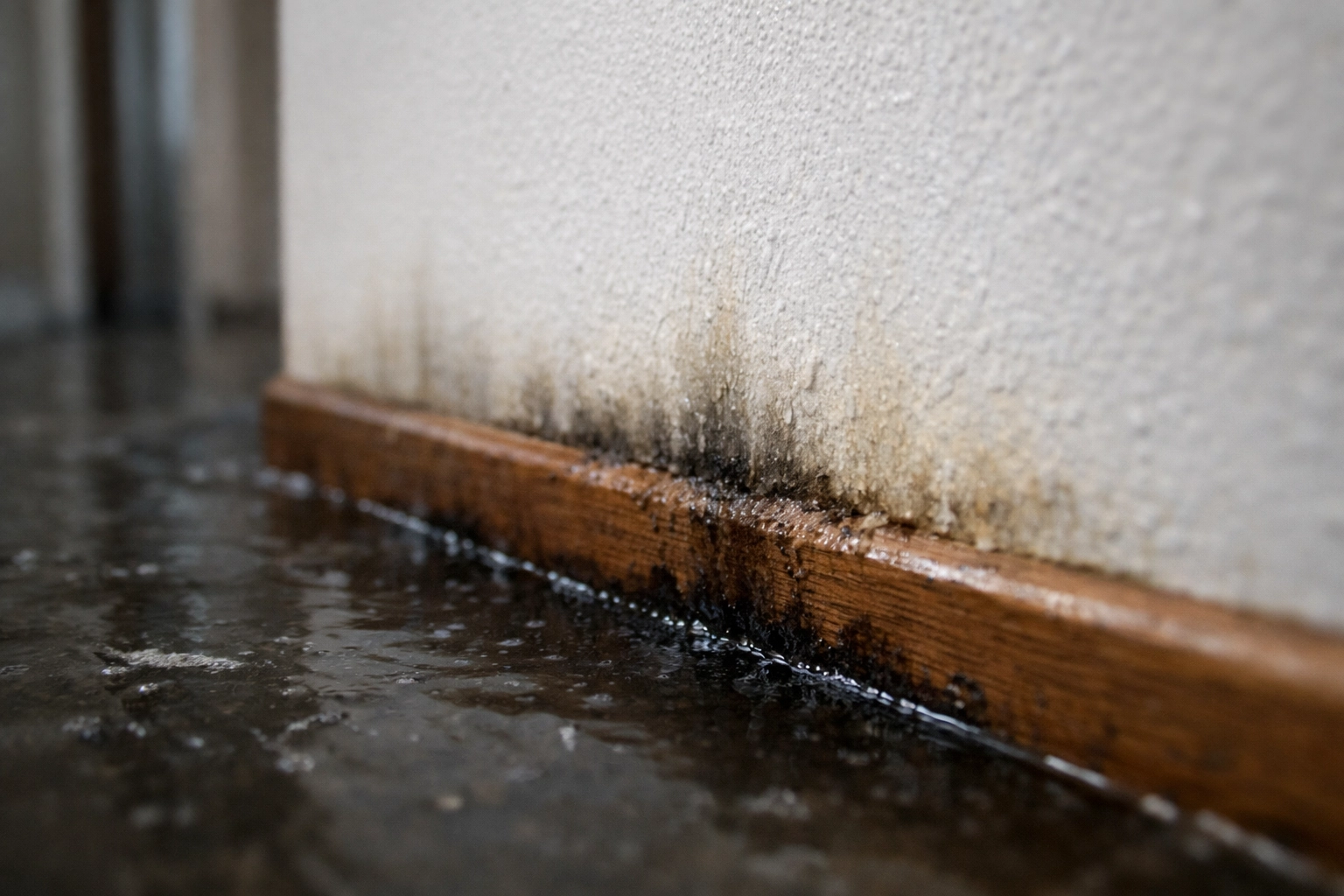
Residents in Northport, Cottondale, and the surrounding Tuscaloosa County area know that our weather is often unpredictable. Heavy spring rains can overwhelm aging municipal sewer systems, causing "surcharge" events where the city lines backup into residential basements or crawlspaces.
Furthermore, our high humidity levels mean that once a home is saturated with Category 3 water, it will not dry out on its own. The moisture stays trapped in the materials, creating a perfect breeding ground for secondary damage. This is why professional-grade dehumidification and moisture-tracking tools are non-negotiable for a successful restoration.
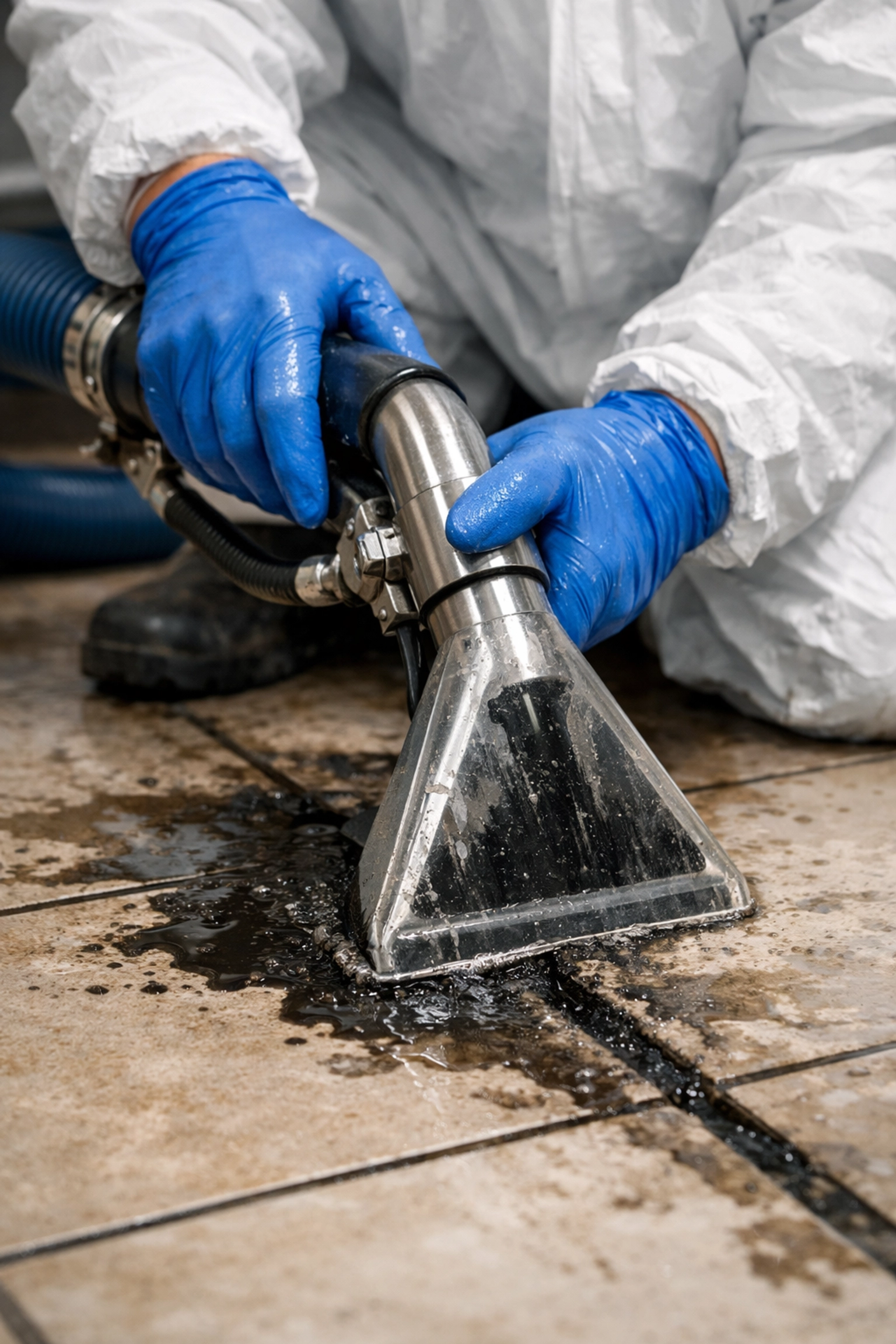
When Restoration 1 of Tuscaloosa arrives at your property, we don't just "clean up." We follow a rigorous multi-step process to return your home to a pre-loss condition:
Many homeowners are surprised to learn that a standard homeowner's insurance policy may not automatically cover "sewer backup" unless a specific rider was added to the policy.
A sewage backup is a stressful, messy, and potentially dangerous event. You shouldn’t have to face it alone. Whether you are dealing with a small bathroom overflow or a major basement flood, our team is equipped with the training and technology to handle the job safely and compassionately.
We pride ourselves on being the calm in the storm for our neighbors throughout Tuscaloosa County. We focus on transparent communication, so you always know what we are doing and why. Our goal is to protect your family’s health and restore your property so you can get back to your normal routine as quickly as possible.
Facing a mess you can't handle? Don't wait for the damage to spread. Call Restoration 1 of Tuscaloosa today for expert sewer backup cleanup in Tuscaloosa. We are available 24/7 to help you reclaim your home.