
Living in West Alabama means we all share a certain "weather awareness." Whether it’s the sound of James Spann’s voice on the TV or the distant wail of a siren in Northport, we know that when the sky turns that specific shade of bruised purple, things are about to get serious. In Tuscaloosa, storm season isn't just a time of year; it’s a reality we live with from the early spring flowers through the late fall football Saturdays.
At Restoration 1 of Tuscaloosa, we’ve seen firsthand what an Alabama thunderstorm or tornado can do to a beautiful home. We also know that the best way to handle a disaster is to prevent as much of it as possible before the first raindrop falls. Preparing your property isn't about living in fear: it’s about taking proactive steps to protect your family and your investment. Let’s look at how you can "harden" your home against the unique challenges of Bama weather.
Most parts of the country have one storm season. Here in Tuscaloosa, we get two. Our primary severe weather window runs from March through May, with April historically being the most volatile month. However, we also have a "secondary" season in November and December. This means your property needs to be resilient nearly year-round.
When we talk about storm damage repair in Tuscaloosa, we aren't just talking about wind. We are dealing with:
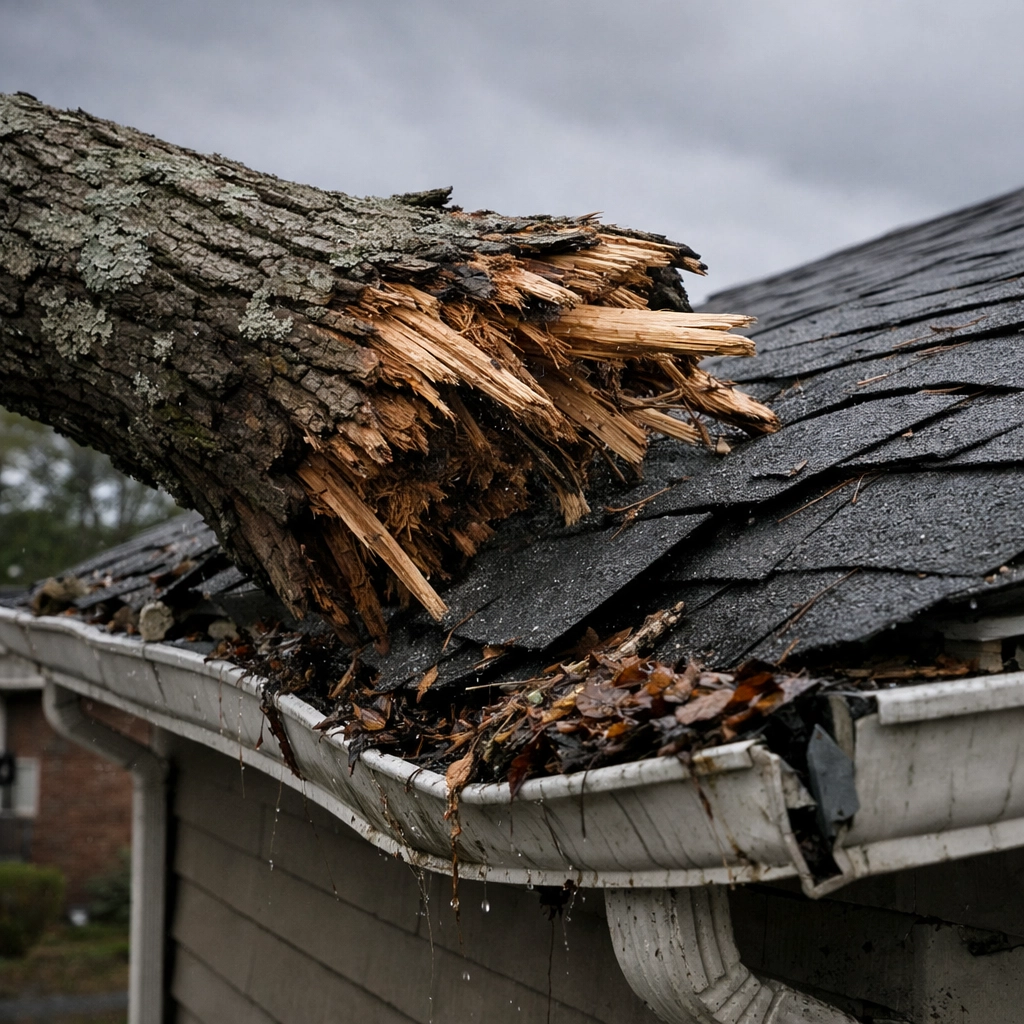
Your first line of defense is your yard. Most property damage during a storm is actually caused by "missiles": items that were sitting in the yard: or falling debris from trees.
In a city as green as Tuscaloosa, trees are our best friends until the wind starts howling. To minimize the need for storm damage repair in Tuscaloosa Alabama, you should perform a "perimeter check" of your trees every season.
If it’s not nailed down, the wind will move it. Before a storm arrives, walk through your yard and identify items that could become airborne.
The "envelope" is what keeps the outside out. If the wind manages to break a window or lift a corner of your roof, the pressure inside the house changes rapidly, which can lead to catastrophic structural failure.
Your roof is your most important shield. A small leak during a normal rain becomes a flood during a severe storm.
If you have older windows, consider upgrading to impact-resistant glass or having custom-cut plywood boards ready in your garage.
While we focus on property, your life is the priority. Every Tuscaloosa home needs a designated safe spot. If you live in a mobile or manufactured home, your safe spot is not inside your home: you must identify a sturdy building or community shelter nearby and leave well before the storm hits.
For site-built homes, your safe zone should be:
Don't wait until the power goes out to look for a flashlight. Your kit should be ready and stored in your safe zone.
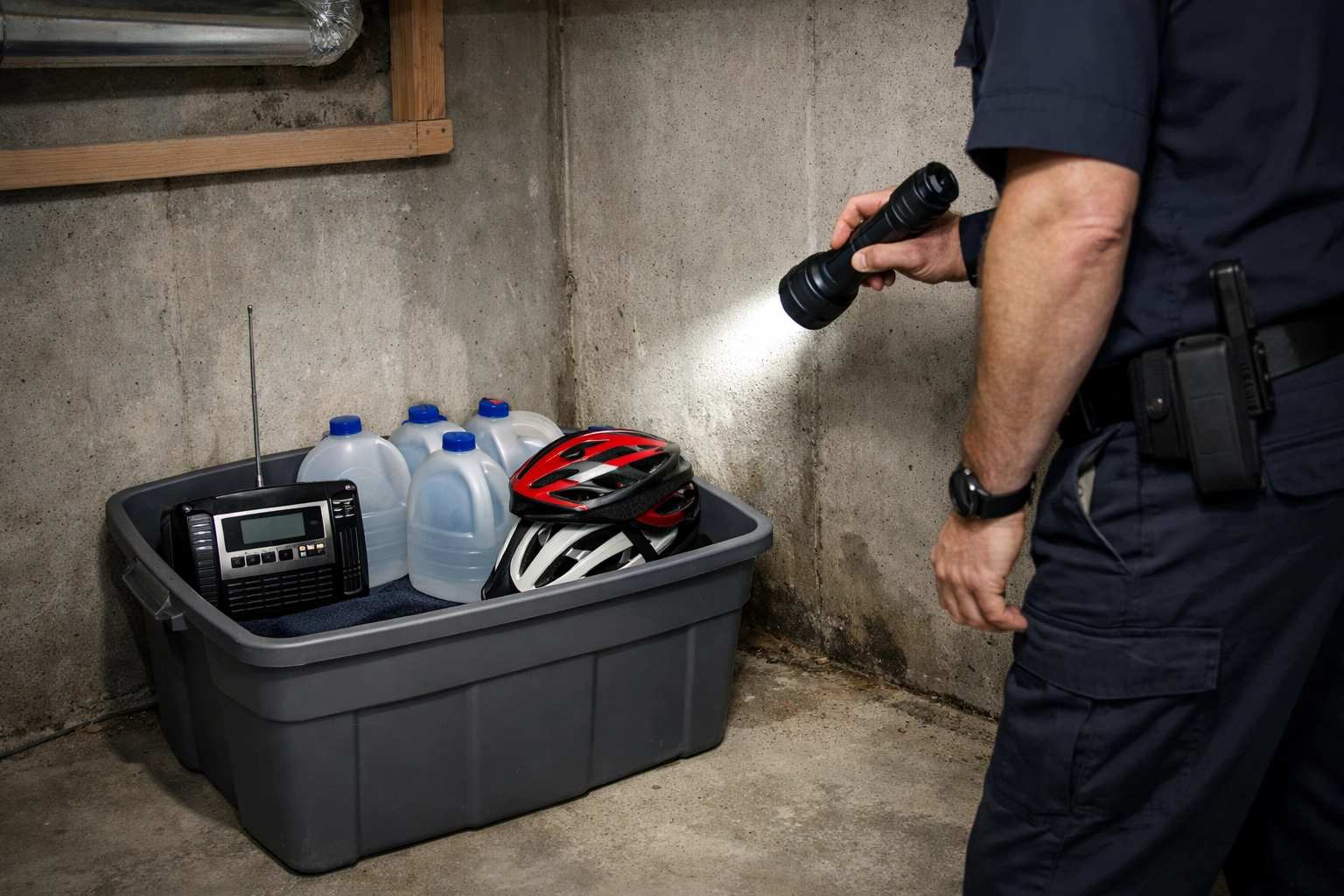
Once the storm has passed and it is safe to come out, your actions in the first few hours will determine how much storm damage repair in Tuscaloosa you will ultimately need.
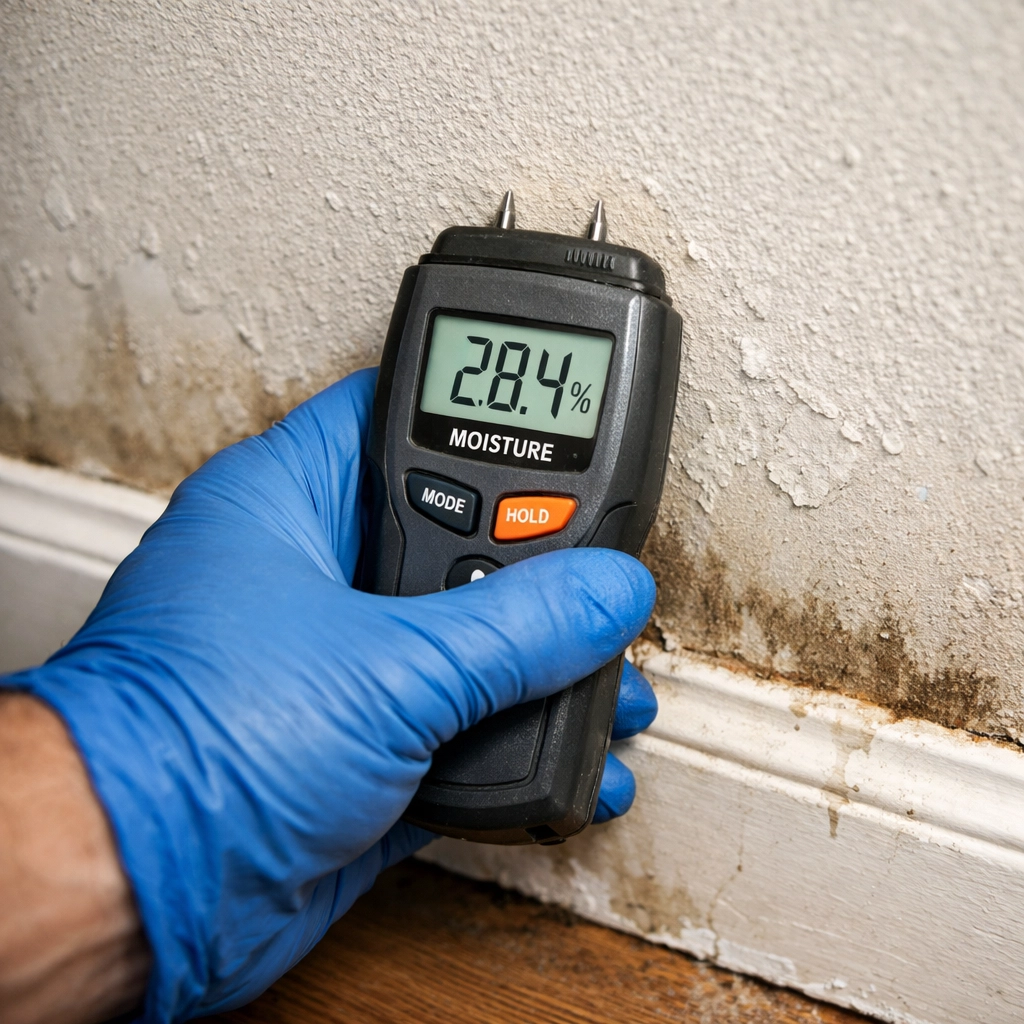
When a storm hits, the damage is often more than what meets the eye. While you might see a broken window, a professional team sees the "moisture intrusion" that has soaked into your drywall and insulation. Using high-tech tools like infrared cameras and moisture meters, we can find water that has traveled far from the initial point of entry.
Using industry-standard terminology, we focus on mitigation (stopping the damage) and remediation (fixing the problem). For example, if your home has been flooded, we don't just "dry it out." We use antimicrobial treatments to ensure that pathogens brought in by storm runoff don't compromise your family's health. We use HEPA filtration to clear the air of dust and debris kicked up by high winds.
We live here, we work here, and we’ve sheltered in our own basements during those same April afternoons. We understand the stress that comes with Bama weather, and we are committed to helping our neighbors navigate the aftermath.
If your home has been caught in the path of a storm, don't face the cleanup alone. Whether it’s a few missing shingles leading to a leak or a major structural issue from a fallen tree, Restoration 1 of Tuscaloosa is ready to help you rebuild. We serve the entire Tuscaloosa County area, including Northport, Cottondale, and beyond.
Don't wait for the damage to get worse: and don't wait for the next storm to start your preparation. Take a walk around your property today, trim those branches, and check your emergency kit. And if the worst happens, remember that we are just a phone call away, ready to bring your home back to its pre-storm glory.
Need help with storm damage repair in Tuscaloosa? Call Restoration 1 of Tuscaloosa today for a professional assessment and caring, expert service.